Casco Bay Trap Co.
Lobster-Trap-Wire Furniture from Casco Bay
What the bay hauls up
The material
Where the material comes from.
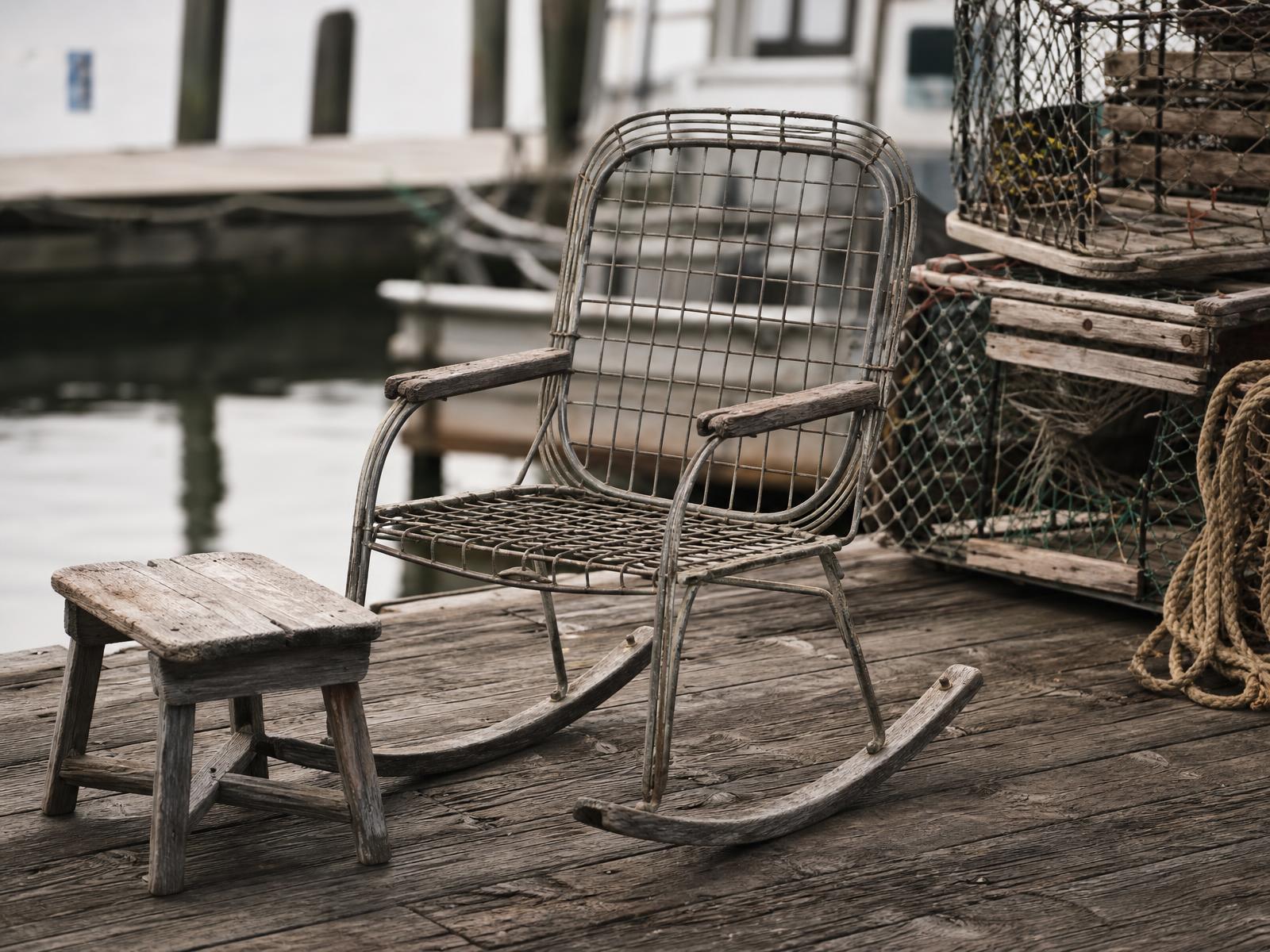
Retired lobster traps don't go quietly in Maine — the wire and wood have already survived years of tide, weather, and rope burn. Trap Co. takes what's left of that gear and builds it into rockers and stools that carry the marks of the work they came from. Weathered wood, galvanized wire, and a build that's meant to sit outside for a while, not be babied indoors.
Join the list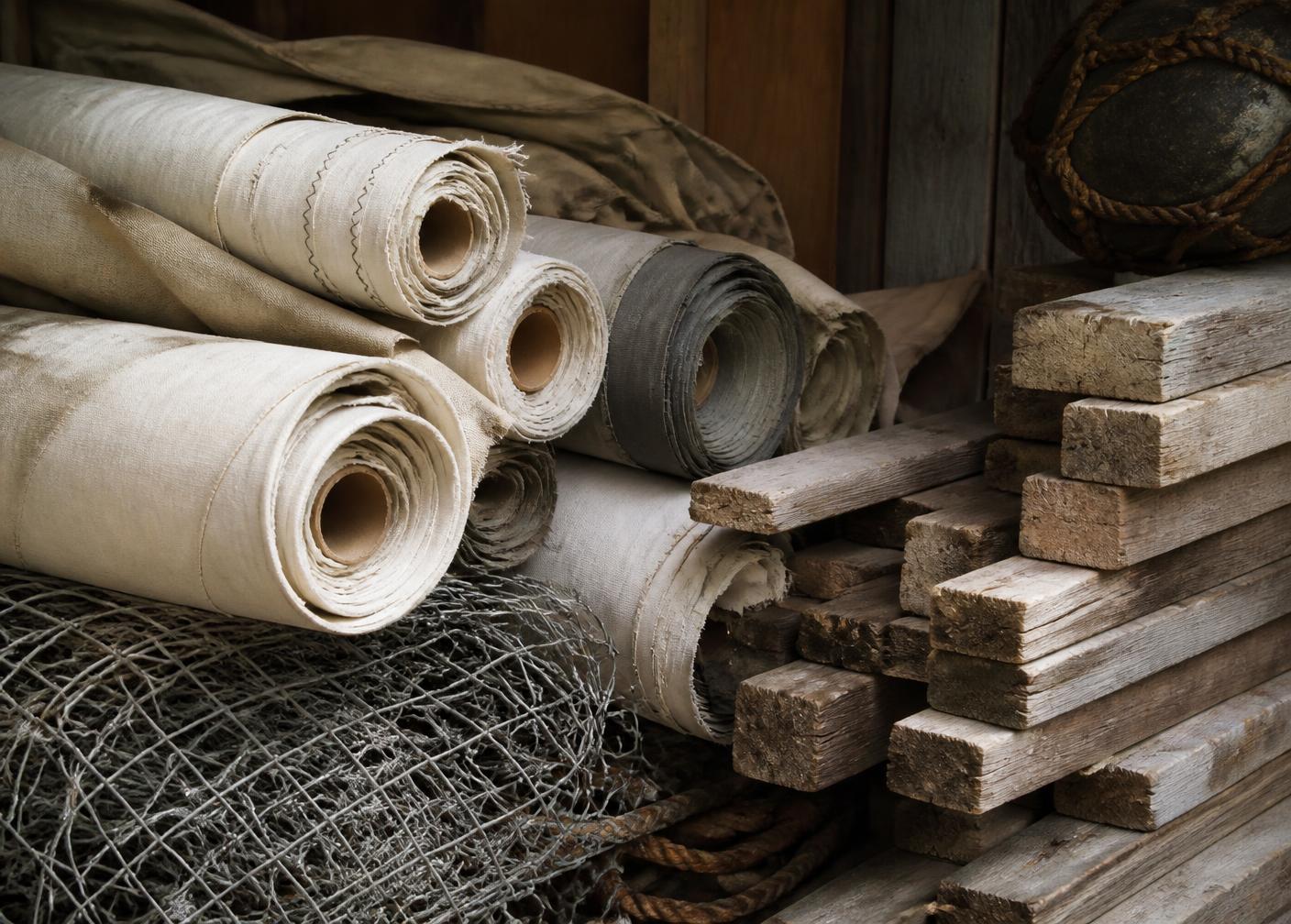
Materials and construction
The short answer.
- Material
- Retired galvanized lobster trap wire from Casco Bay fishermen, paired with reclaimed weathered wood.
- Why it lasts
- The vinyl-coated galvanized wire was engineered for years of submersion, so open-air use is easy duty.
- Construction
- Wire panels are cleaned, re-tensioned, and set into a wood frame that keeps the original gear visible.
Small run, made carefully
Material comes first. The object follows.
We're sourcing in public and finishing first samples now, so nothing on this page is priced, stocked, or shipping yet. When it opens for its first run, it will still read like the material it started with.
Common questions
What people ask about Trap Co.
Is the lobster trap wire actually used gear?
Yes. The wire comes from retired traps fished out of Casco Bay, cleaned and re-tensioned so the marks of the work stay visible instead of being sanded away.
Can trap-wire seating live outside year-round?
The vinyl-coated galvanized wire was engineered for years of submersion, so open-air use is easy duty. Reclaimed wood frames will continue to weather, which is the intent.
Is it comfortable, or is it more of a display piece?
It is built to be sat in. Wire panels are set into a wood frame with the tension and rocker geometry worked out for adult seating, not for a shop window.
How much of each piece is reclaimed?
The wire panels and the majority of the wood are reclaimed. New material is limited to fasteners and structural elements where safety requires it.